Before technology started rewriting the future of work, all types of work in various enterprises was handled manually. Employees worked hard for long hours, and this was considered the most important work ethic. But technology has brought about substantial changes in the ways traditional workplaces have operated. For example, in banking, most transactions and operations were handled manually by the employees. With the rise of technology, most banking operations and services are now taken care of online and provide a more streamlined experience for employees as well the customers.
Modern technology is getting advanced on a daily basis and applying different technologies is making our lives simpler. Modern technologies like artificial intelligence, machine learning, and IoT, are rewriting the future of work. Industries are now witnessing a cultural shift in the workplace. Besides working hard, we have started believing in working smarting too. Every employer wants to ensure that their employees make optimum use of their time at work to produce commendable results. Workplaces have become more organized, time effective, and offer better communication with the help of modern technology, today.
GOOGLE GLASS
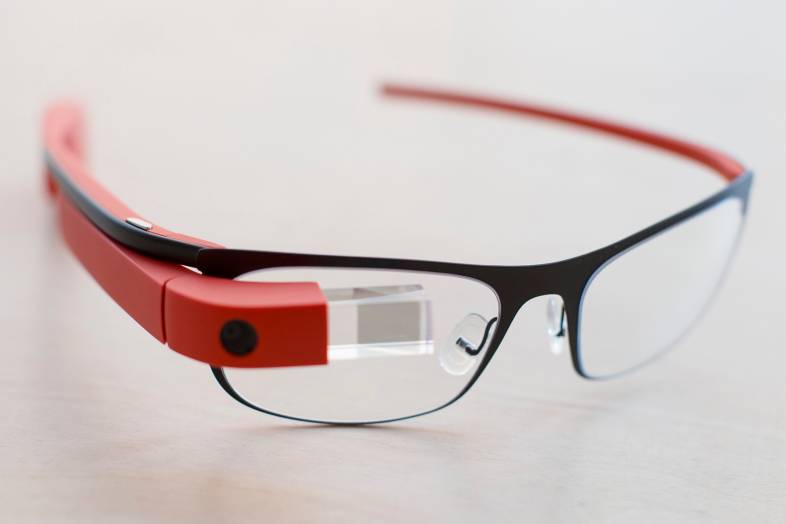
Google Glass, which cost $1,500 for those invited to a sort of public beta test, never took off. The relatively powerful head-mounted computer provided important signals for the future of wearable technology. Glass showed that designers working on computing devices that are worn face a different set of assumptions and challenges. Glass, for example, made it easy for users to surreptitiously record video, which led some restaurants, bars and movie theaters to ban the device. Glass also showed the potential pitfalls of easily identifiable wearables, perhaps best proven by the coining of the term “Glassholes” for its early adopters. While Glass was officially shelved in 2015, augmented reality—displaying computer-generated images over the real world—is a concept many companies are still trying to perfect. Google included.
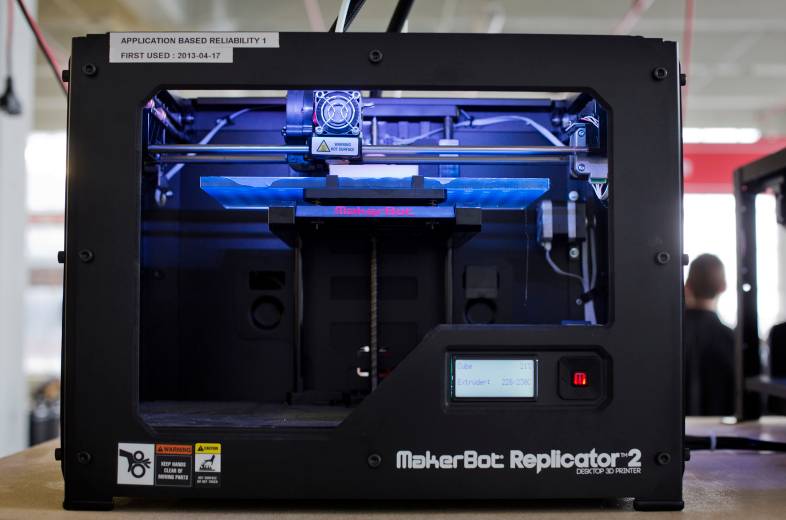
The Makerbot Replicator was neither the first nor the best consumer-level 3-D printer. But it was the model that made the technology widely accessible for the first time, thanks to its sub-$2,000 price tag. The Replicator used inkjet printer-like technology to extrude hot plastic that took three-dimensional form as artwork, mechanical parts and more. As a company, Makerbot’s future is uncertain. But the firm’s equipment helped bring 3-D printing into the mainstream and is a fixture of many American classrooms.
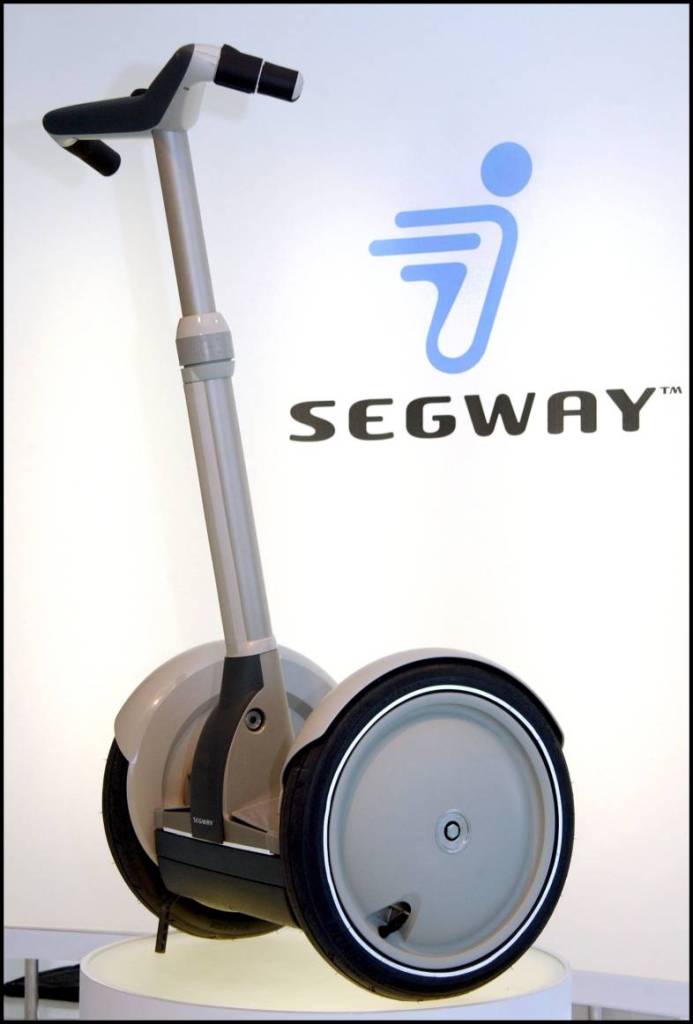
Why is the Segway personal scooter such a potent cultural symbol? Maybe it has something to do with providing a metaphor for increasingly out-of-shape Americans. Perhaps it was seeing a U.S. president fall off one. Weird Al’s “White and Nerdy” video helped, too. The Segway—as hyped and as mocked as it has been—is a defining example of “last mile” transportation, an electric scooter designed to make walking obsolete. (Recently, the idea has been somewhat revived by the emergence of so-called hover boards, which are now also entering a kind of post-fad twilight.) The Segway’s symbolic impact greatly exceeded its commercial success. Unit sales never exceeded the six-figure mark before thWhy is the Segway personal scooter such a potent cultural symbol? Maybe it has something to do with providing a metaphor for increasingly out-of-shape Americans. Perhaps it was seeing a U.S. president fall off one. Weird Al’s “White and Nerdy” video helped, too. The Segway—as hyped and as mocked as it has been—is a defining example of “last mile” transportation, an electric scooter designed to make walking obsolete. (Recently, the idea has been somewhat revived by the emergence of so-called hover boards, which are now also entering a kind of post-fad twilight.) The Segway’s symbolic impact greatly exceeded its commercial success. Unit sales never exceeded the six-figure mark before the firm was purchased by a Chinese interest in 2015 for an undisclosed sum. Advertisement


 Site Title